
What Terminal is Porter Airlines Boston Logan International Airport (BOS)?
Porter Airlines Boston terminal information helps clarify where check-in, security, and boarding take place at Boston Logan International Airport. Terminal identification matters because airport operations are divided by airline and route type. In the case of Porter Airlines, terminal usage aligns with international flight handling requirements, which affects passenger flow, security checks, and available services.
In addition, understanding the terminal layout reduces confusion during peak travel periods and improves overall transit efficiency.
What Terminal is Porter Airlines at Boston Logan International Airport?
The Porter Airlines terminal Boston operations are primarily based in Terminal E. This terminal is designated for international flights, which explains its use for routes between the United States and Canada.
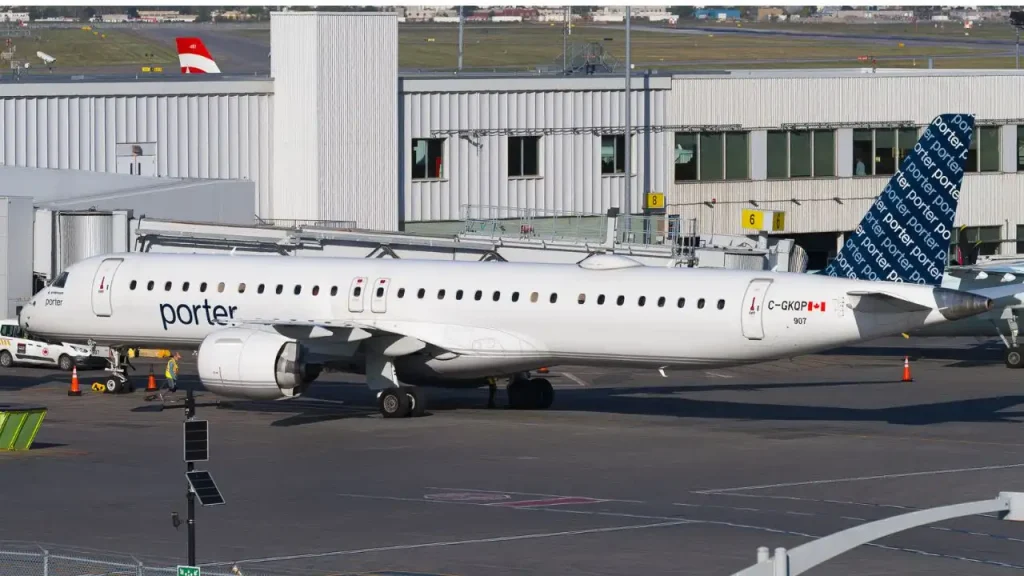
However, flight operations can occasionally shift. Therefore, checking real-time flight details remains important to confirm the assigned gate and terminal.
Porter Airlines Arrivals & Departures Terminal
Arrivals
The Logan Airport Porter Airlines terminal for arrivals is Terminal E. This terminal includes customs and immigration checkpoints, which are necessary for international passengers.
After landing, passengers move through:
- Immigration control
- Baggage claim
- Customs clearance
This sequence ensures compliance with entry regulations before exiting the airport.
Departures
The Porter Airlines Boston Logan terminal for departures is also Terminal E. Check-in counters are located on the departure level, followed by security screening and boarding gates.
Because the terminal handles international traffic, document verification may occur more than once during the departure process.
Porter Airlines Boston Terminal Map
Terminal E includes:
- Gates E1 to E13
- Central security checkpoints
- Retail and dining zones
The layout separates arriving and departing passengers to reduce congestion. As a result, passenger movement remains more organized even during high traffic periods.
Connections to other terminals are available via shuttle buses and walkways, enabling transfers without leaving the airport system.
Check-in & Security
Check-in
Passengers can complete check-in through:
- Airport counters
- Self-service kiosks
- Online platforms
Arriving at least two hours before departure is recommended. This buffer accounts for queues, document checks, and baggage processing time.
Security Screening
Security screening takes place within Terminal E. Since international routes require stricter procedures, processing times may be longer.

Preparation—such as organizing documents and limiting restricted items—helps reduce delays at checkpoints.
Facilities at Terminal E
Terminal E offers services designed for international travel needs:
- Wi-Fi access
- Currency exchange
- ATMs
- Accessibility support
- Baggage services
These facilities support longer travel durations and cross-border passenger requirements.
Restaurants at Terminal E
Dining options range from quick-service counters to full-service restaurants.
Short layovers typically favor fast service, while longer waiting times allow for sit-down dining. This range improves passenger convenience based on available time.
Transportation from Terminal E
Available transportation options include:
- Silver Line (SL1) to downtown Boston
- Airport shuttle services
- Taxis and ride-sharing
- Rental cars
Public transportation provides a cost-effective option, while private services offer direct and faster routes depending on traffic conditions. The Porter Airlines Boston terminal is centered in Terminal E at Boston Logan International Airport. This assignment reflects the airline’s international route structure and associated processing requirements.
Frequently Asked Question (FAQs)
Porter Airlines primarily operates from Terminal E.
Baggage claim is located in the Terminal E arrivals area after customs clearance.
Items lost in the terminal are handled by airport services, while items left on aircraft are managed by Porter Airlines.
Options include the Silver Line, shuttle buses, taxis, and ride-sharing services.
Flights mainly operate to Canadian destinations such as Toronto and Ottawa.
Terminal E includes dining options, Wi-Fi, financial services, and passenger assistance facilities.