
John F. Kennedy International Airport (JFK) Terminal 1: Level, Services & Airlines
Opened in 1998, John F. Kennedy International Airport Terminal 1 serves as a major hub for international travel, handling millions of passengers each year. The terminal features four levels, one concourse, and 11 gates designed primarily for wide-body aircraft. It accommodates more than 20 international airlines, providing a range of dining, shopping, and passenger services. From streamlined check-in counters and TSA security to premium JFK Lounge facilities and duty-free stores, JFK Terminal 1 is built to support both leisure and business travelers with efficiency and comfort.
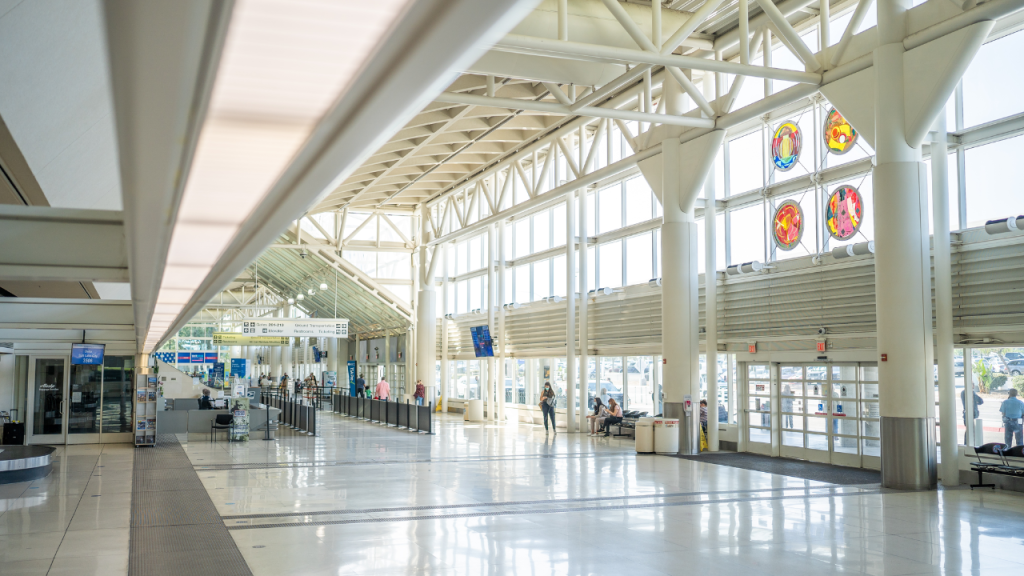
Levels and Gates at New York JFK Airport Terminal 1
Terminal 1 at New York JFK Airport has a clear division of levels and gate areas to support both passenger flow and airline operations:
- Level 4 (Departures): Airline check-in and document verification
- Level 3: Security screening and controlled access to the concourse
- Level 2 (Concourse/Gates): Boarding gates, lounges, and duty-free shops
- Level 1 (Arrivals): Immigration, customs, and baggage claim
Gates at JFK Terminal 1 are designed primarily for wide-body aircraft. Each gate accommodates long-haul flights and often uses dual boarding bridges. Fewer gates exist compared to other terminals, but each handles higher passenger volumes per flight. This design balances operational efficiency with capacity needs for international traffic.
Airline Operations and Gate Usage
The terminal supports major international carriers such as Air France, Lufthansa, Japan Airlines, and Korean Air.
Wide-body aircraft dominate operations. These aircraft require more space, longer boarding times, and higher-capacity gate infrastructure. For this reason, the terminal operates with fewer gates, each designed to handle large passenger volumes rather than frequent short-haul turnover.
JFK Terminal 1 Arrival Process and Border Control
Arriving passengers follow a fixed sequence:
- Disembarkation at the gate
- Immigration and passport control
- Baggage collection
- Customs inspection
This process ensures compliance with national entry regulations. Delays typically occur when several international flights arrive within a short time window, increasing pressure on immigration counters and baggage systems.
Ground Transportation Integration at New York JFK Airport Terminal 1
Ground access relies on AirTrain JFK, which connects the terminal to subway lines and regional rail. Direct access is limited because airport perimeters require controlled entry points.
Available options include:
- AirTrain connections
- Licensed taxis
- Ride-hailing services
This system balances accessibility with security requirements.
Parking and Vehicle Access Constraints
Parking near the terminal remains limited due to space constraints and redevelopment activity. Priority is often given to short-term parking and active pickup or drop-off zones.
JFK Long-term parking is typically located away from the terminal and linked via AirTrain. This distribution reduces congestion and keeps traffic moving near terminal entrances.
Security Screening and Wait Time Variability
JFK security wait times fluctuate based on departure schedules. Peaks occur when multiple long-haul flights depart within similar timeframes.
This happens because international travel requires additional document checks, which increase processing time per passenger. As a result, throughput varies instead of remaining consistent throughout the day.
Lounge Infrastructure and Passenger Segmentation
Premium lounges such as the Air France Lounge JFK Terminal 1 and Lufthansa Senator Lounge JFK provide separate spaces for eligible passengers.
These lounges reduce crowding in general seating areas while offering controlled environments for long-haul travelers. Services typically include food, rest areas, and workspace access.
Essential Services and Financial Access
JFK Currency exchange counters and ATMs are available within the terminal. These services are necessary because international passengers often need immediate access to local currency and basic facilities after arrival or before departure.
Additional services include charging stations and duty-free retail, all positioned to support short-duration transit needs.
Layover and Overnight Infrastructure
Rest options inside the terminal remain limited. Therefore, nearby hotels and dedicated sleeping facilities accommodate longer layovers.
This arrangement exists because security policies restrict overnight access in certain terminal areas, requiring extended stays to be handled outside the main passenger zones.
JFK Terminal 1 operates as a structured international facility where layout, airline operations, and passenger services align with regulatory requirements. Its design prioritizes controlled movement, security compliance, and efficient handling of long-haul travel rather than flexible or open passenger flow.
Frequently Asked Question (FAQs)
Terminal 1 at JFK primarily hosts long-haul international carriers, including Air France, Lufthansa, Japan Airlines, and Korean Air. Gates are designed to handle wide-body aircraft for these flights.
Yes, JFK airport Terminal 1 is fully operational for international arrivals and departures. Ongoing maintenance or redevelopment may affect specific areas, but passenger services remain active.
Yes, JFK Terminal 1 handles exclusively international flights. Domestic carriers operate from other terminals, while Terminal 1 focuses on long-haul routes requiring immigration and customs processing.
JFK airport Terminal 1 offers a variety of dining options, including quick-service restaurants, cafes, and sit-down eateries. Options include international cuisine, coffee shops, and grab-and-go meals near gates and public areas.
Terminal 1 at JFK is one of the larger terminals in the airport, with multiple levels for departures, security, gates, lounges, and arrivals. While it has fewer gates than some newer terminals, each gate accommodates large international aircraft with high passenger capacity.
Yes, JFK Terminal 1 is designed for efficiency and compliance with international regulations. It features clear signage, premium lounges, duty-free shops, and essential passenger services, making it convenient for long-haul travelers.
For international departures from JFK airport Terminal 1, arriving at least 3 hours before the flight is recommended. This allows sufficient time for check-in, security screening, and immigration procedures.
Yes, Terminal 1 JFK includes TSA security checkpoints for all departing passengers. Additional screening may be required for international flights to comply with customs and immigration regulations.